Pediatric Feeding Therapy
in Lafayette, IN
Helping Your Child Eat More Comfortably and Successfully
If your child is struggling with eating, it can make mealtimes stressful and unpredictable for your entire family.
At Wee Speak Therapy & Learning Center, our pediatric feeding therapy focuses on helping your child build the skills they need to eat more safely, comfortably, and confidently. Whether your child has difficulty trying new foods, managing textures, or chewing and swallowing, we work with you to create a plan that supports real progress at home and at the table.
What Is Pediatric Feeding Therapy?
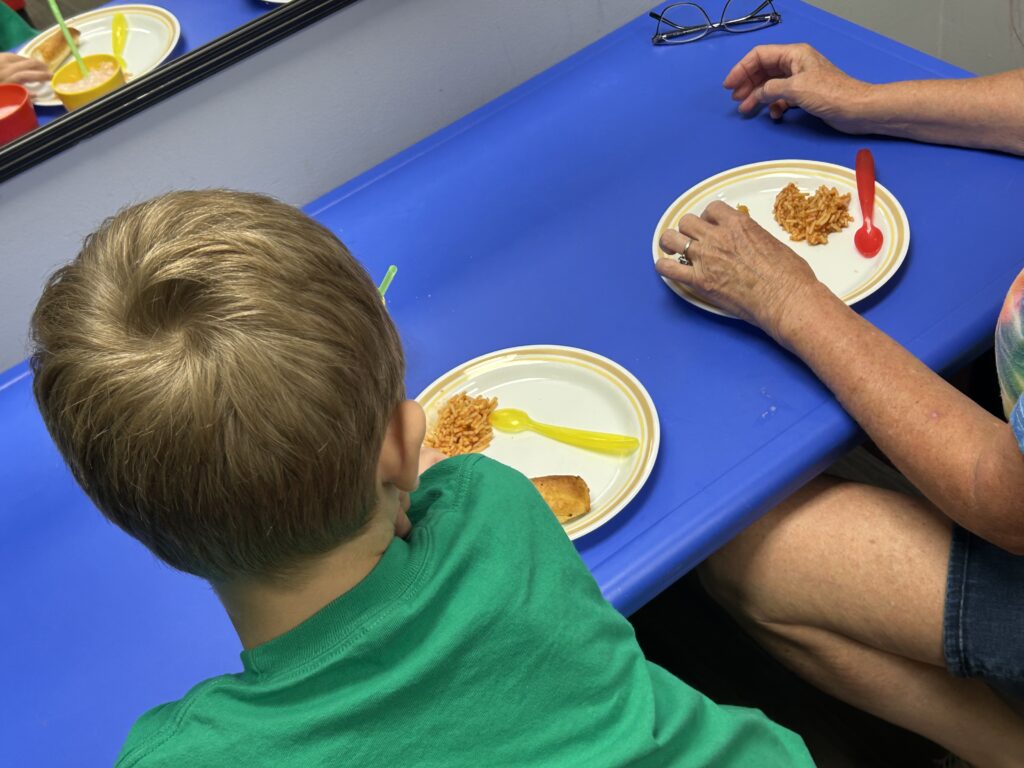
Feeding therapy helps children develop the skills needed to eat and drink safely and effectively.
This can include:
- Trying new foods and expanding variety
- Managing different textures
- Chewing and swallowing safely
At Wee Speak, we look at the full picture to understand what’s affecting your child’s ability to eat and develop a plan that supports their needs.
Signs Your Child May Benefit from Feeding Therapy
Your child may benefit from feeding therapy if they:
- Eat a very limited variety of foods
- Refuse certain textures or food groups
- Have difficulty chewing or swallowing
- Gag, choke, or cough during meals
- Take a long time to eat
- Become upset or anxious around food
- Have difficulty transitioning to age-appropriate foods
Our Approach to Feeding Therapy
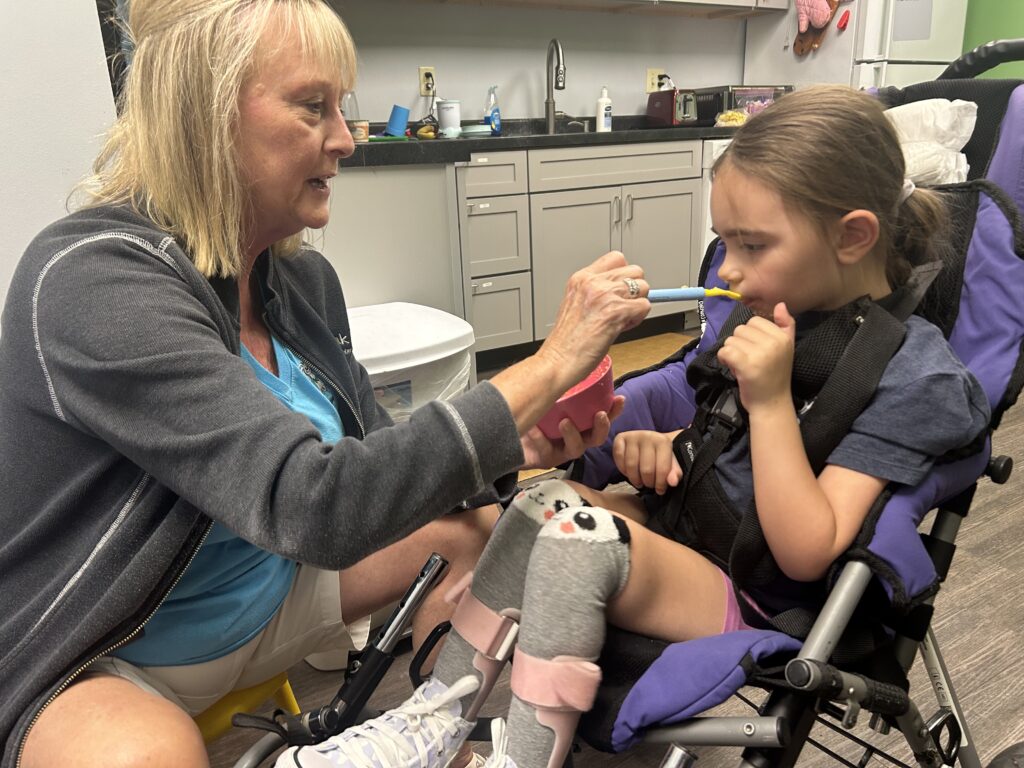
We take a step-by-step approach to help your child build comfort with food. This may include exploring foods through play, introducing new textures slowly, and building the skills needed for safe eating.
Some feeding challenges are sensory-based, meaning your child may be sensitive to certain textures, tastes, or smells. Others may be related to oral motor skills, which affect how your child chews and moves food in their mouth, or swallowing skills. We look at each area to help your child overcome feeding challenges.
Throughout the process, we work closely with you to understand your child’s eating habits and give you strategies you can use at home to support progress during daily meals.
What Can Your Child Learn in Feeding Therapy?
Feeding therapy can help your child develop skills such as:
- Trying and accepting new foods
- Tolerating different textures and flavors
- Chewing and swallowing more effectively
- Reducing anxiety or resistance around food
- Participating more comfortably in family meals
- Building a more balanced and varied diet
Why Choose Wee Speak Therapy & Learning Center?
At Wee Speak, feeding therapy is focused on helping your child feel more comfortable with food while building the skills needed for successful eating. Families choose our clinic because we provide:
A family-centered approach
that supports your goals and concerns
A gradual, supportive process
that reduces pressure around food
A focus on real-life mealtime success,
not just clinical progress
A collaborative team
that considers the whole child
Experienced guidance
to help you navigate feeding challenges
Our goal is to make mealtimes more manageable, more positive, and more successful for your family.
Reach Out Today to Get Started with Feeding Therapy
If your child is struggling with eating, getting the right support can make a meaningful difference. Our team will listen to your concerns, help you understand what may be contributing to the challenge, and guide you toward the right next step.
Call our office today or reach out below to get started.